Epomaker He68 Hall Effect Keyboard vs Nzxt Function Elite Mini Tkl: Which Should You Buy?
Introduction
I've been using both the Epomaker He68 Hall Effect and the NZXT Function Elite Mini TKL for several months now, swapping between them for work, writing, and gaming. Both keyboards have their charms and clear trade-offs, and after living with each on my desk for roughly four months apiece, I feel comfortable sharing what held up, what frustrated me, and who each keyboard really suits.
In this article I'll walk through my hands-on experience: build quality, typing feel, sound, customization, daily workflow, and where each keyboard shines or falls short. I'll also provide a clear comparison table, concise pros & cons lists for each, and a practical buying guide so you can decide which one fits your needs.
My testing setup and methodology
To keep things practical, I used both keyboards as my primary daily drivers in rotation. My routine included writing long-form work (2–3 hour sessions), programming sessions with frequent hotkeys, and a few hours of gaming in the evenings. I tested with default keycaps and then swapped to aftermarket PBT sets on both to evaluate keycap feel and sound. I used consistent audio and video recording to compare sound profiles and timed short typing tests to get an objective sense of speed and comfort.
Detailed review: Epomaker He68 Hall Effect
I was drawn to the He68 because of its Hall effect switches — contactless, magnetic sensing switches that promise extreme longevity and a different kind of feel compared to mechanical switches. After months of daily use, here's what I found.
Build and design
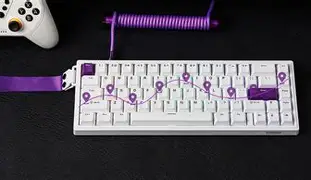
The He68 has a compact 68-key (65%) layout that saved a lot of desk space. The case is solid plastic with a weighty feel; it's not metal-heavy, but it doesn't flex under normal typing force. I appreciated the gentle slope and the small footprint — my mouse and wrist had more room, which mattered during long editing sessions.
Switch feel and performance
The Hall effect switches are the headline. In my experience they feel smooth and consistent across the board. They register before the key is fully bottomed out, which encouraged a lighter, faster typing style. I noticed less variation between keys compared to many conventional mechanical switch sets. The actuation felt precise and reliable; after months of heavy use I didn't experience any chatter or missed keypresses.
One thing I noticed was that they tend to feel slightly "floaty" compared to tactile Cherry MX Browns or clicky Blues. If you're used to a strong tactile bump, the He68's switches might feel too linear or subtle. I also found them forgiving for heavy-handed typing, which reduced finger fatigue during long sessions.
Sound profile
Out of the box, the sound is quieter than many clicky mechanical keyboards but not silent. The contactless nature reduces spring and electrical noise, which gives the He68 a clean "thock" — especially after I swapped to thicker PBT keycaps. If you care about sound, the He68 is pleasingly low-end heavy and not tinny, though it's not as muted as a keyboard with heavy foam dampening.
Software, remapping, and layers
Epomaker's software for the He68 is serviceable. I was able to remap keys, set up layers, and program a few macros. It wasn't the most polished software I've used — the interface feels utilitarian — but it worked for the tasks I threw at it. Importantly, I could save profiles to the keyboard, so I didn't need the software running constantly.
Durability and maintenance
After months of use I noticed virtually no degradation in switch performance. The lack of physical electrical contact gives me peace of mind about longevity. The stabilizers on larger keys were decent but benefited from a bit of lubing — the spacebar had a slight rattle before I lubed it. Keycaps were comfortable but not premium out of the box.
Find top-rated Laptops & Computers products at great prices.
See Deals →What I appreciated most
- I loved the consistent, smooth actuation — it made long typing sessions less tiring.
- The compact 68-key layout freed desk real estate without sacrificing essential keys via layers.
- Longevity confidence: no chatter after months and a sense that the switches will outlast typical mechanical switch lifespans.
What bothered me
- Software felt clunky compared to competitors.
- Some stabilizers needed aftermarket lubing to feel premium.
- If you prefer a pronounced tactile bump or audible click, the Hall effect switches might feel bland.
Detailed review: NZXT Function Elite Mini TKL
The NZXT Function Elite Mini TKL is NZXT's take on a compact TKL—aimed at gamers and productivity users who want a solid, stylish board without a numpad. My time with it showed a different set of priorities compared to the He68.
Build and design
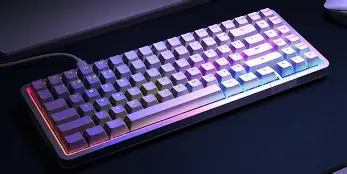
The NZXT has a cleaner, more modern aesthetic. The case is sturdier-feeling with a slightly more premium finish, and the aluminium top plate (in the model I used) gives it a reassuring heft. The keyboard sat flat on my desk with well-considered angles and rubber feet that never slipped during intense gaming sessions.
Switch feel and options
The Function Elite Mini TKL I tested came equipped with linear switches that felt fairly typical for a gaming-focused board. They registered crisply and offered a satisfying, quick response for gaming. NZXT's board felt a bit bouncier than the He68 and rewarded intentional bottoming out during fast-paced play.
What I appreciated was the immediate responsiveness when double-tapping or performing rapid key combos — the kind of feel that gave me confidence in competitive multiplayer rounds. However, for long-form typing the linear switches led to more fatigue than the Hall effect switches because I tended to bottom out more.
Sound profile
The NZXT was slightly louder and brighter than the He68 out of the box. With stock keycaps it had a sharper "clack" that was more noticeable on desk calls. Swapping in thicker PBT keycaps and adding a thin case foam helped a lot — the keyboard became pleasantly muted, though with more high-end presence than the He68.
Software and customization
NZXT's software felt more polished than Epomaker's. Remapping keys, configuring per-key RGB, and setting up macros was straightforward. The software also included cloud profiles and an easy export/import flow. I liked that customizing the lighting and polling rate was quick and predictable.
Durability and maintenance
After months the build held up well. Stabilizers were better tuned from the factory compared to the He68, though I still preferred to lube them for the smoothest feel. The hot-swap functionality (on models that support it) made experimenting with different mechanical switches painless — a big win for someone like me who likes to tweak switch feel without soldering.
What I appreciated most
- Superior build quality and a premium feel on the desk.
- Polished software with easy RGB and macro controls.
- Great out-of-the-box gaming performance — snappy and reliable.
What bothered me
- It was louder out of the box than I expected for office use.
- For long typing sessions it felt less forgiving than the He68.
- Hot-swap variants are great, but not all models include them — check the SKU carefully.
Comparison table
| Feature | Epomaker He68 Hall Effect | NZXT Function Elite Mini TKL |
|---|---|---|
| Layout | Compact 68-key (65%) — smaller footprint | Mini TKL — slightly larger, dedicated arrow cluster and more standard navigation keys |
| Switch type | Hall effect (contactless magnetic sensing) — smooth, consistent | Mechanical linear/tactile options (hot-swap on some SKUs) — faster bottoming feel |
| Sound | Low-end thock; quieter and less bright | Brighter clack out of the box; muted with foams/keycap swaps |
| Build | Sturdy plastic case, light-to-medium weight | More premium feel; aluminium top plate on specific models |
| Software | Functional but utilitarian | Polished, intuitive with profile/cloud options |
| Customization | Remapping and layers supported; fewer hot-swap options | Hot-swap on some models, per-key RGB, macros |
| Durability | Very high due to contactless switches | High; depends on switch quality, hot-swap helps longevity |
| Ideal use | Heavy typists, office use, those who value longevity and a muted profile | Gamers, tinkerers, those who want a premium-feeling keyboard with polished software |
Pros & Cons
Epomaker He68 Hall Effect — Pros
- Switch longevity: Contactless switches that feel consistent after heavy use.
- Typing comfort: Smooth, low-fatigue experience during long sessions.
- Compact footprint: Great for small desks and minimal setups.
- Quiet, pleasing sound: Muted thock that’s office-friendly with the right caps.
Epomaker He68 Hall Effect — Cons
- Software: Functional but less polished.
- Stabilizers: Require a little attention for best feel.
- Limited hot-swap/custom switch options: Not as friendly for swapping different mechanical switches.
NZXT Function Elite Mini TKL — Pros
- Premium build: Heavier, refined case with better factory finishes.
- Polished software: Easy customization of RGB, macros, and profiles.
- Gaming feel: Snappy response and satisfying bottom-out for fast gameplay.
- Hot-swap options: Some SKUs allow easy switch experimentation.
NZXT Function Elite Mini TKL — Cons
- Sound out of the box: Brighter and louder; may need mods for quieter typing.
- Typing fatigue: Less forgiving during marathon typing sessions unless you adjust technique.
- SKU variations: Features vary by model; it’s easy to buy a version without hot-swap or with different keycaps than you expected.
Buying guide: Which one should you buy?
Choosing between these two comes down to priorities. Below are the factors I considered when making my decision, and how each keyboard stacks up.
1. Your primary use: typing vs gaming
In my experience, if you spend more time writing, coding, or doing office work, the Epomaker He68 is the more comfortable long-term choice. The Hall effect switches reduce finger fatigue and give a smooth, consistent actuation that rewards lighter touch.
If gaming performance and responsiveness for rapid inputs are your top priority, the NZXT Function Elite Mini TKL has the edge — especially the hot-swap models with good linear switches. I felt more confident in fast-paced games using the NZXT.
Shop the latest Laptops & Computers picks on Amazon.
Browse Now →2. Desk space and layout preference
If a small footprint is important, the He68’s 68-key layout saved me valuable desk real estate without forcing weird compromises. The NZXT TKL is still compact compared to full-size boards, but it’s larger than the He68.
3. Sound and office friendliness
I noticed the He68 was easier to keep office-friendly. The NZXT needed foam or different keycaps to reach the same muted level. If your coworkers care about noise, the He68 landed quieter to most people's ears.
4. Customization and tinkering
If you like swapping switches or trying different keycaps frequently, go with the NZXT if you pick a hot-swap model. NZXT’s software and support for RGB and macros also made custom profiles painless. If you want a “set it and forget it” board that will keep performing years later with minimal maintenance, the He68’s Hall effect design is appealing.
5. Budget and long-term value
Both boards have variants and pricing tiers. I viewed the He68 as an investment in switch longevity — less likely to require a replacement keyboard in 5–10 years. The NZXT gives more immediate polish and a stronger out-of-the-box experience, but you may spend extra on mods like foam or different keycaps to perfect it.
6. Software and ecosystem
If polished software and integration matter (e.g., cloud profiles, easy lighting sync), NZXT’s ecosystem felt more refined. Epomaker’s software covers the essentials but is rougher around the edges.
Practical recommendations
- Buy the Epomaker He68 if: You prioritize typing comfort, quiet operation, long-term switch durability, and a compact layout for a small desk.
- Buy the NZXT Function Elite Mini TKL if: You want a premium-looking keyboard that’s great for gaming out of the box, offers more customization/mod options, and provides a polished software experience.
Final thoughts and conclusion
After several months with both, I ended up using each for different workflows. The He68 became my go-to for writing, editing, and long coding sessions. Its Hall effect switches are genuinely low-fatigue and stable — I liked coming back to it after hours of typing without soreness. The NZXT Function Elite Mini TKL became my preferred gaming keyboard and the one I reached for when I wanted a more premium, customizable desk look. Its responsiveness and polished software made it a breeze to set up for different games.
If I had to pick just one to keep, I'd be honest about my priorities. For sheer everyday comfort and the novelty of contactless switches, the Epomaker He68 edged out as my long-term favorite. But for a user who values a premium finish, hot-swap flexibility, and a more immediate plug-and-play gaming experience, the NZXT Function Elite Mini TKL is an excellent choice.
Both keyboards have real strengths and some trade-offs. What I found was that you can't go too far wrong with either — but you can choose the one that fits the way you type and play. I hope my hands-on experience helps you decide which keyboard belongs on your desk.